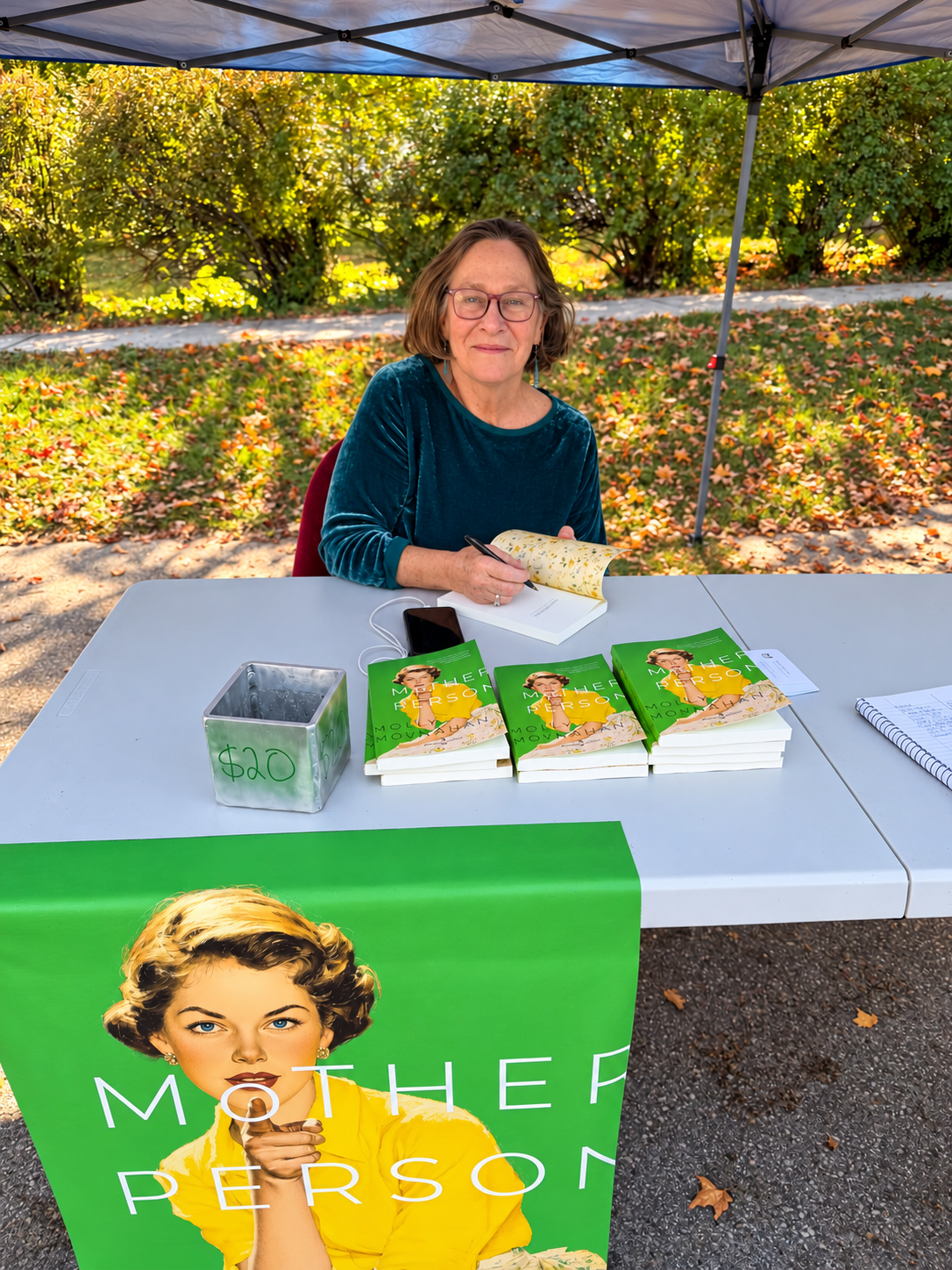
My publishing history has been…interesting. Back in 1990 after getting fired from my editing job at Bantam-Doubleday-Dell, I started to waitress and do things that artists sometimes do; I was a fake patient for training foreign doctors, I posed naked for a photographer wanting to diversify his portfolio, (Me: “Do you want a picture of me naked? Boyfriend: “No! You look terrified.” Me: “I’m smiling!” Boyfriend: “Your eyes are filled with fear!”) I edited a few essays for money and I wrote.
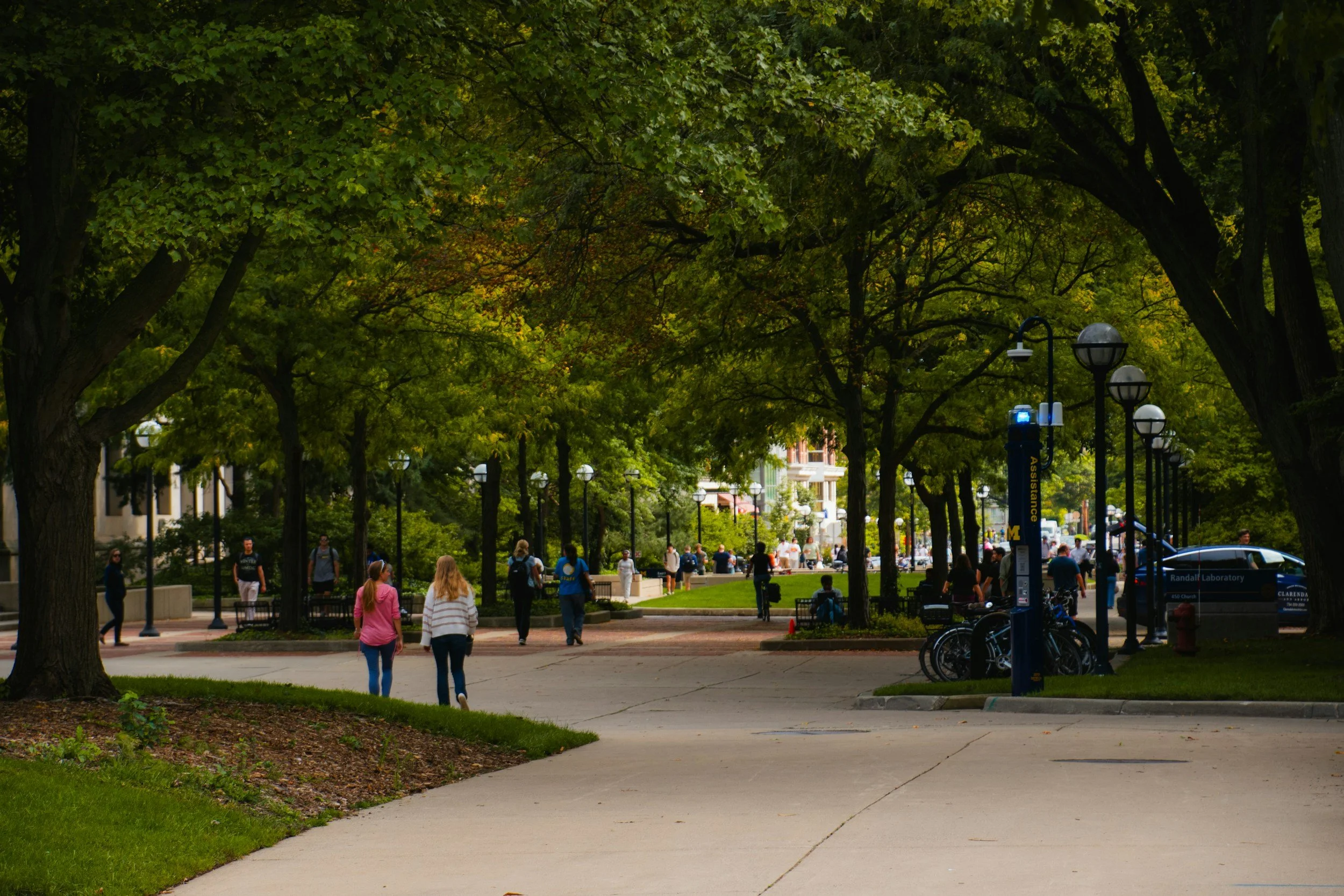
Fraternity row was walking the gauntlet of men screaming at you, telling you what they would like to do with your body, suggesting you come into the frat house to party, something to be avoided if possible. Belonging to a fraternity at Rutgers marked you, at least as far as this hippie was concerned, as an asshole to be avoided at all costs. My scene partner in my acting class belonged to a fraternity. Despite this, he seemed okay, modest and prepared for our scene together, almost apologetic about his living with the bros, not your typical drunken idiot. So when he asked me to a party at his fraternity, I agreed to go, briefly was the plan, but I did not count on being drugged and apparently, since all was a blackout, raped.
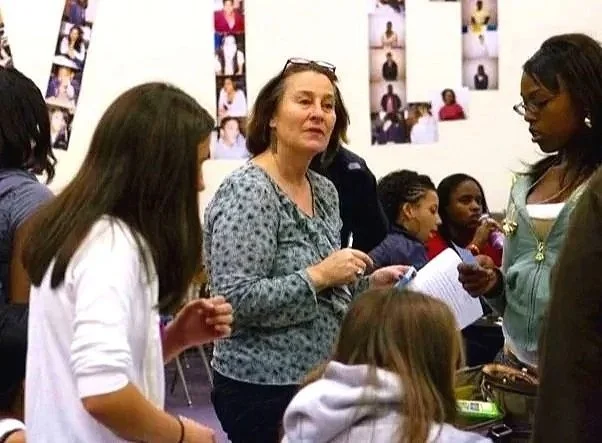
Teaching is a privilege like aging but, like aging, it is not for the faint of heart. Last week, at the start of a new adult writing class I was waiting for my students to arrive when the door opened and a young man and an older woman entered, the young man clearly agitated, hitting himself, and making noises that were, honestly, very like a wounded animal. In short order I discovered his companion was his aide and she was extremely reluctant to provide me with any information about her charge except to state he was a genius and a writer. I had yet to meet any of my students and wondered how I was going to manage to help/teach/contain this person while providing attention and information to the rest. Somehow, with the help of my kind students, this person calming down, and my own experience with crazy situations, we managed.
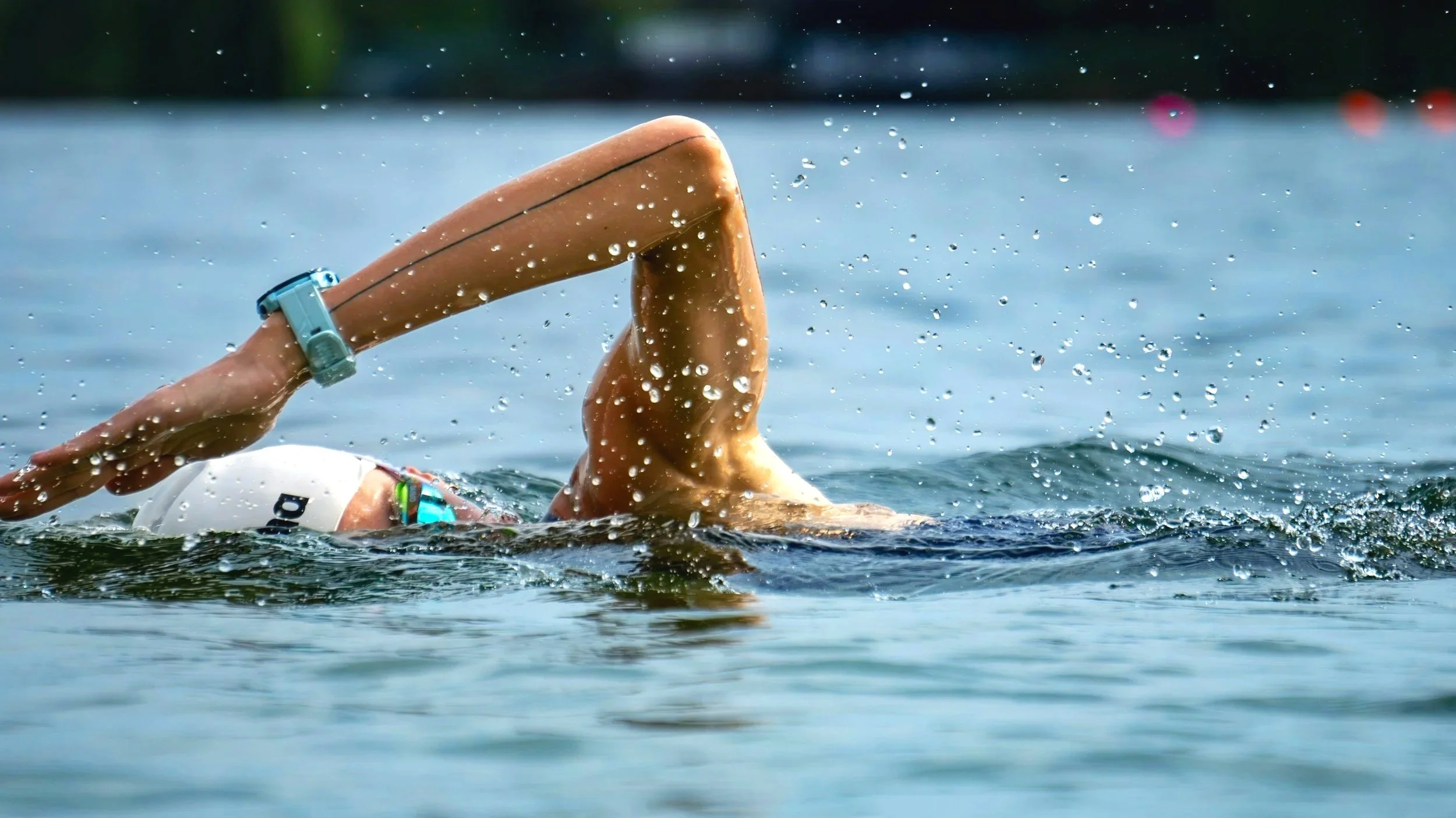
"When we finished with our laps, we hoist ourselves up out of the pool, dripping and refreshed, our equilibrium restored, ready to face another day on land." ―Julie Otsuka, The Swimmers
I was hiking in the woods up here when I heard on the drive home that a person I knew a long time ago was about to release a book, a sequel to an earlier book. I was flung back to my experience as a writer for the magazine that he edited. His reputation was bad, one of those '80s-era men who saw any woman as prey no matter how inappropriate the situation. I received a dream assignment from him, which would have been a cover story. The subject was basically the end of the sexual revolution, an era I had lived through but sadly did not find anything revolutionary. There was just the expectation that you would sleep with someone no matter how brief the encounter; no one took you on dates, and when someone said anything vaguely romantic, it was a tool to achieve a goal of meaningless sex.
I’ve had a lot of roommates. The first one in college was so different than me it was almost comical. Waking up several hours before her first class, Lisa would wash and blow dry her hair, apply makeup, and dress in something she had chosen the night before. I either went to bed with wet hair, which was still damp in the morning, wore no makeup unless I was on a dating warpath, and dressed in whatever emerged from my closet. Lisa had moved in with two dozen frozen steak dinners but after they ran out, I discovered she couldn’t cook, I mean she really couldn’t cook. Once I asked her to boil water for pasta and she put a box of noodles into cold water and turned on the heat. I returned from a late class to find a ball of starch floating in a pot of water. Lisa wanted to marry a Jewish dentist. I wanted to live in sin with a gorgeous man.

I was newly divorced, sober, unemployed, and grieving. New York City should have felt hard, cold, and dangerous, but somehow it took me in. Like my ancestors fleeing the famine in Ireland and the millions escaping the pogroms, the genocide, the impossibility of their lives, I found refuge and community. Yes, it was hard at first, one bad job after another, one terrible apartment, isolation and envy of others’ wealth and success, but gradually the life there became my life. Through my horribly paid publishing job, all those church basements where I listened to the stories of addicts like me, and the relationships I had no business pursuing, I found a way to live. One morning, walking across Central Park as the mist faded from Sheep Meadow, I encountered a gigantic obelisk, Cleopatra’s Needle, deserted except for an unhoused man who gestured to me to come closer.
Recently, I became interested in the idea of grief as an inheritance. There is an ongoing conversation about Black Americans carrying the DNA of former slaves. I am a white, second-generation Irish American, whose father was placed in an orphanage for a year as a child, whose grandfather, whom I never met, was described to me, or at least as I can remember through the mysterious prism of childhood, as dying in an alley. He was an alcoholic, his charm reported to be boundless but whose thirst killed him alone and penniless. My father was a brilliant, funny, loving man whose personality was transformed when he drank to excess into a violent, angry, and cruel man. He suffered deep guilt but did not stop drinking and that was our family’s shadow.