Do No Harm
“More and more I come to loathe any dominion of one over another; any leadership, any imposition of the will.” –Virginia Woolf
This recent scandal at Interlochen involving faculty members and students, as well as the Epstein connection, has reminded me of my own experiences as a teenager. Because I grew up in a household that was suffused in literary sex, not actual sex, I was an idiot savant in terms of relationships between men and women. Having read Women In Love in the back of my parents’ Volvo while we were driving down to southern Spain, I became convinced that men and women were meant to destroy each other, but also they should have lots of sex. I was eleven, and my family discovered my reading choice when I asked from the back seat, “What’s a luminous loin?” This question came from the scene when Gudrun watches Gerald climb out of the water: “The beauty of his dim and luminous loins as he climbed into the boat, his back rounded and soft-ah, this was too much for her, too final a vision. She knew it, and it was fatal.” There was that, and it was fatal, and in my eleven-year-old brain I thought I understood something, but I did not.
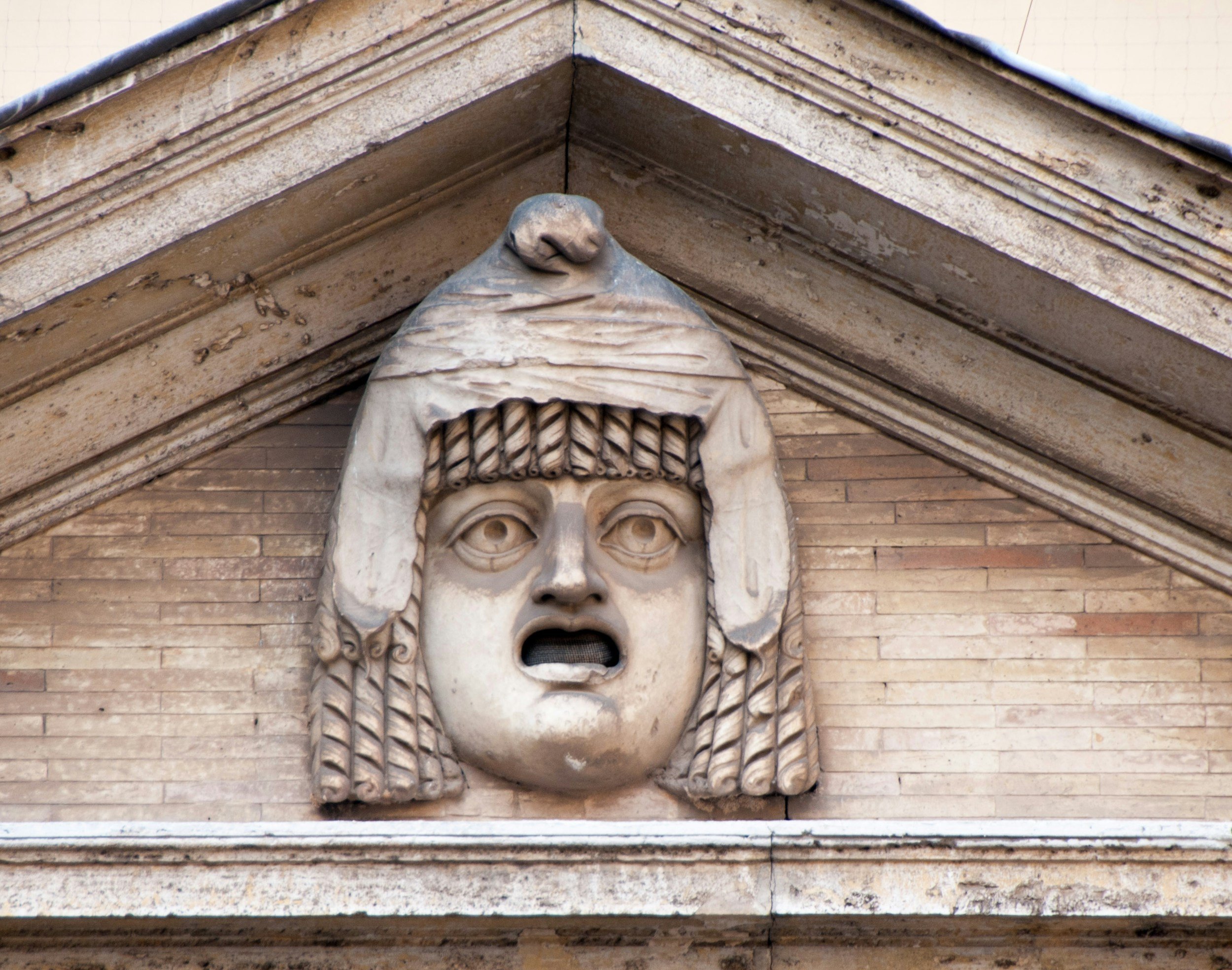
photo by Joseph Corl
At fifteen, I fell madly in love with an adult in charge of a bicycle trip I was on, and he mistook my literary understanding of sex to be actual awareness, but when he finally invited me into his tent, and I took off my shirt and said, “I love you. I’ve never had sex, but I want to have it with you.” He kicked me out of his tent, and I began to understand the truth, which was that I knew nothing. Along with that came an awareness that I had power, that my youth and beauty had power. The fact that I had no idea what to do with that power was not yet clear. During the second half of that summer, I went on my first and last date with a boy who listened to me talk about sex and books, and when I was drunk enough, he raped me, telling me it was all my fault because I was so beautiful.
I didn’t tell anyone about the rape until I fell in love with my first boyfriend in college. I explained to him I was frigid, but I would happily have sex because I loved him. At some point we discovered together that I wasn’t frigid and we had lots of sex, which I mostly enjoyed. In an effort to separate us, his family arranged for him to transfer to another college, leaving me behind. We decided to have a long-distance relationship, remain faithful, and plan to be together in the future. Meanwhile, I was groomed by a very young, charismatic professor at the college where I remained. He listened to me cry about my missing boyfriend, encouraged my writing and acting, and constantly reminded me how smart I was. I experienced loneliness beyond anything I could ever imagine. My boyfriend had isolated me, and while I knew a few people, I had no friends. One evening, the professor came over to my house and announced that it was time we slept together. At first I thought it was a joke, but when I realized he was serious, I felt betrayed and afraid. I was not a child, but at nineteen and in a fragile place, his insistence was, as it turned out, impossible to resist. When I cried and told him I loved my boyfriend and would feel like a whore, he shrugged and said it didn’t matter. I cried throughout, and we never talked again.
This was when my drinking to blackout accelerated, and while I maintained a 4.0 grade point average, I was filled with rage and self-hatred. I viewed my very existence as some sort of invitation for men to treat me badly. And sadly, the ones who were kind and loving, who tried to help me heal, held little attraction.
I think there is a period in the life of a young person where you need protection from both you and those who would exploit your sadness and your need to be loved. Unfortunately, this is also the period when you are likely to be breaking free from your parents and trying to form an identity. The students at Interlochen and so many other schools that encouraged boundaryless relationships between teachers and pupils were vulnerable to any adult attention, no matter how inappropriate. When I taught college, I had a student who attended my office hours whenever they were scheduled and was clearly attracted to me and wanted to take me out. I was kind and firm and, yes, a little bit cold. The imbalance of power between us took my breath away. While flattered, I was also horrified by the memory of what that professor had done to me. I was kind, but I also told him to find another mentor. Years later, after I published my first novel, he wrote me a letter saying he had gone to law school because I had suggested it was a good idea. I had no memory of that conversation, but it reminded me that I was capable of hurting him even more than I had helped.
Molly Moynahan